

Rework and support
Built it in Lovable, Bolt or Cursor and got stuck?
You built the first version yourself, without a developer, and it worked. Then things went wrong: each new change breaks an old one, and a payment that goes through in the preview fails for a real customer. We take that code, find what exactly is broken and get the project to launch without rewriting it from scratch.
- 01You send a link and tell us what's wrong
- 02Within 1–2 working days we look at the live site for free
- 03If we go on, we do a detailed review and a plan with a price
Not sure finishing is what it needs? Compare it with the other support services
What we check first
The costliest problems in projects like these don't show on screen. They sit in the database, the keys and the payments. In 2025, researchers at Escape checked more than 5,600 published AI-built apps and found more than 400 exposed keys. That's where we begin.
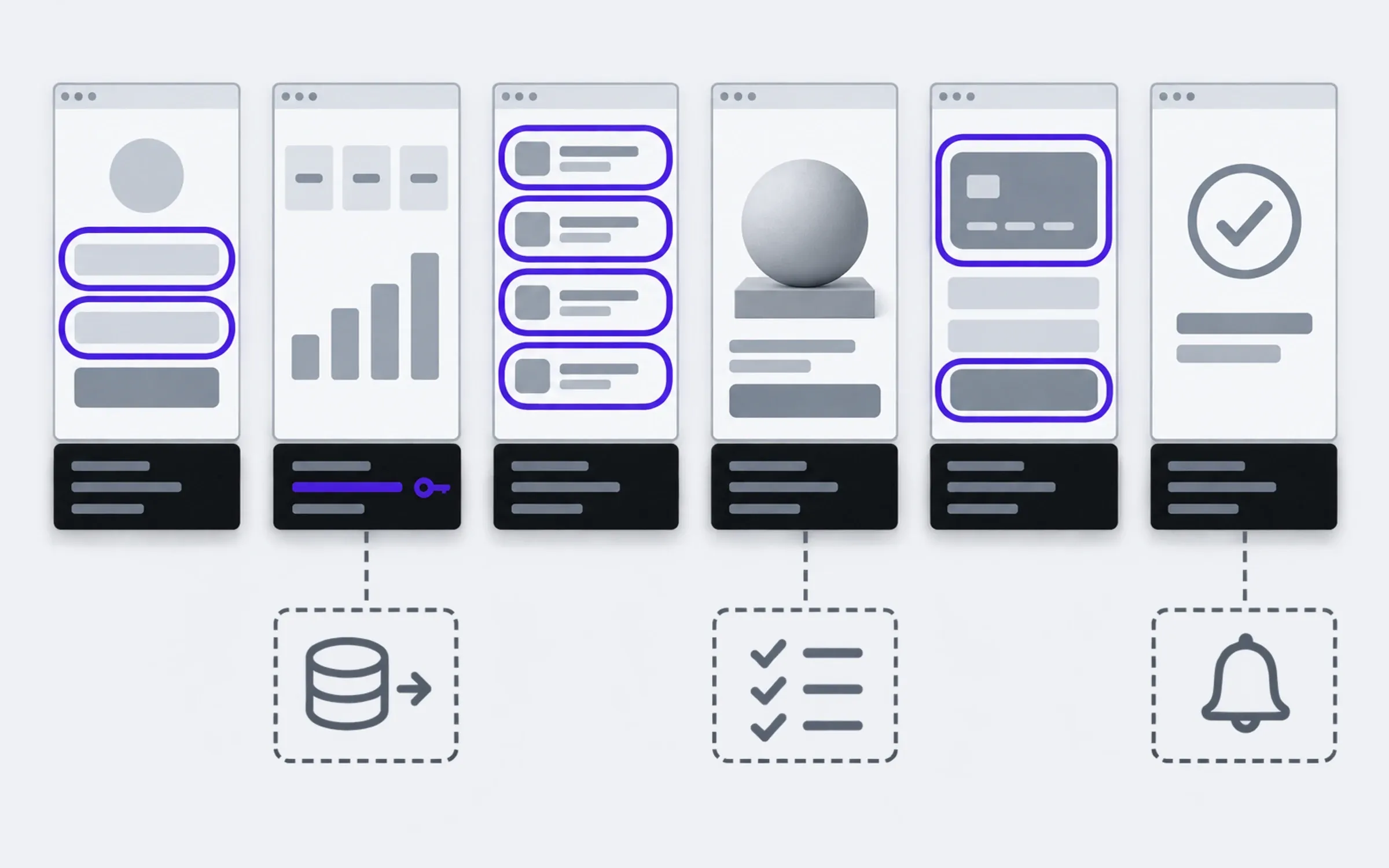
includedseparately, if needed
Data access
Whether a stranger can read or change your tables without signing in. In Supabase projects each table needs its own rules, and they're often missing.
Sign-in
Sign-up, password reset, Google sign-in. We check that everyone sees only their own data.
Payments
Whether the payment provider's confirmation arrives, and whether orders show up without payment.
Keys in the code
Keys to the database, email and payments that ended up in the code the browser downloads.
Preview and live site
Variables, sign-in addresses and settings that go missing outside the platform.
The code
What's duplicated and tangled in it, so the next change doesn't break the one next to it.
What's yours
The repository, database, domain and billing: whose name they're in, and whether you can take them with you.
A plain report
What we found, how urgent it is, and what it costs to fix.
Separately
Moving off Lovable Cloud
Your own Supabase database, with the data, files and users moved over from the platform.
Tests for the main flows
Sign-in, payments and orders are checked automatically after every change, whether we made it or the AI did.
Error log
Errors your users hit are recorded, and you see them before a customer writes in.
What's yours and what stays on the platform
This is an example for a Lovable project with the built-in database. The code can be taken any time. The rest is harder: part of it stays on the platform until it's moved separately.
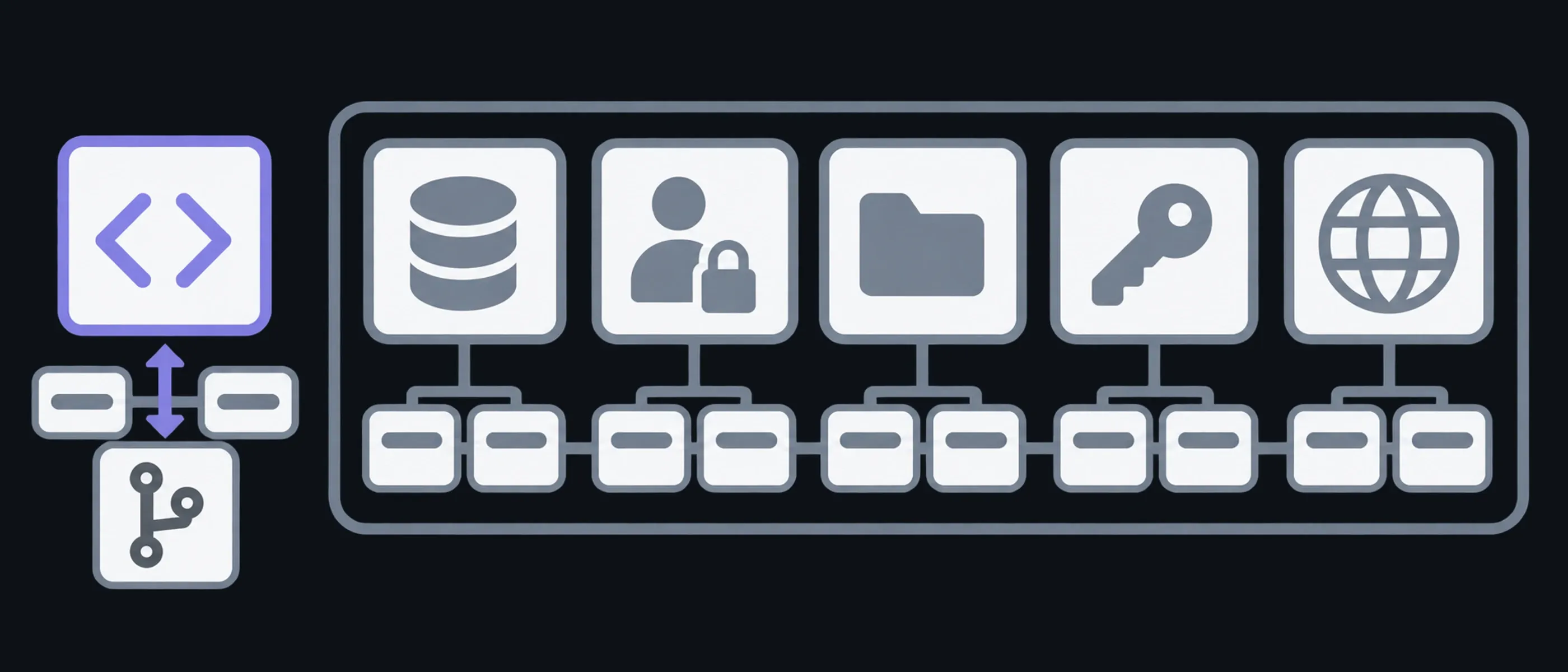
Code
Repository · History
Syncs with GitHub both ways. It's yours
Database
Tables · Access rules
On Lovable Cloud it can't be switched to your own, only moved
Sign-in
Users · Passwords
Doesn't move with the database, it's moved separately
Files
Photos · Documents
Storage is moved separately from the database
Keys
Email · Payments
Stay in the platform's settings and are set again in the new place
Domain
Address · Certificate
We check whose name it's in, if a contractor or the platform bought it
What you have in hand after each step
The review comes in two steps. First we look at the live site for free, with no code access needed. The detailed review, with the code and the database, is paid, and we do it once you've decided to go on.

01Link
You send a link to the project and tell us what's wrong. No code access needed yet.
In hand
A list of the problems, in your words
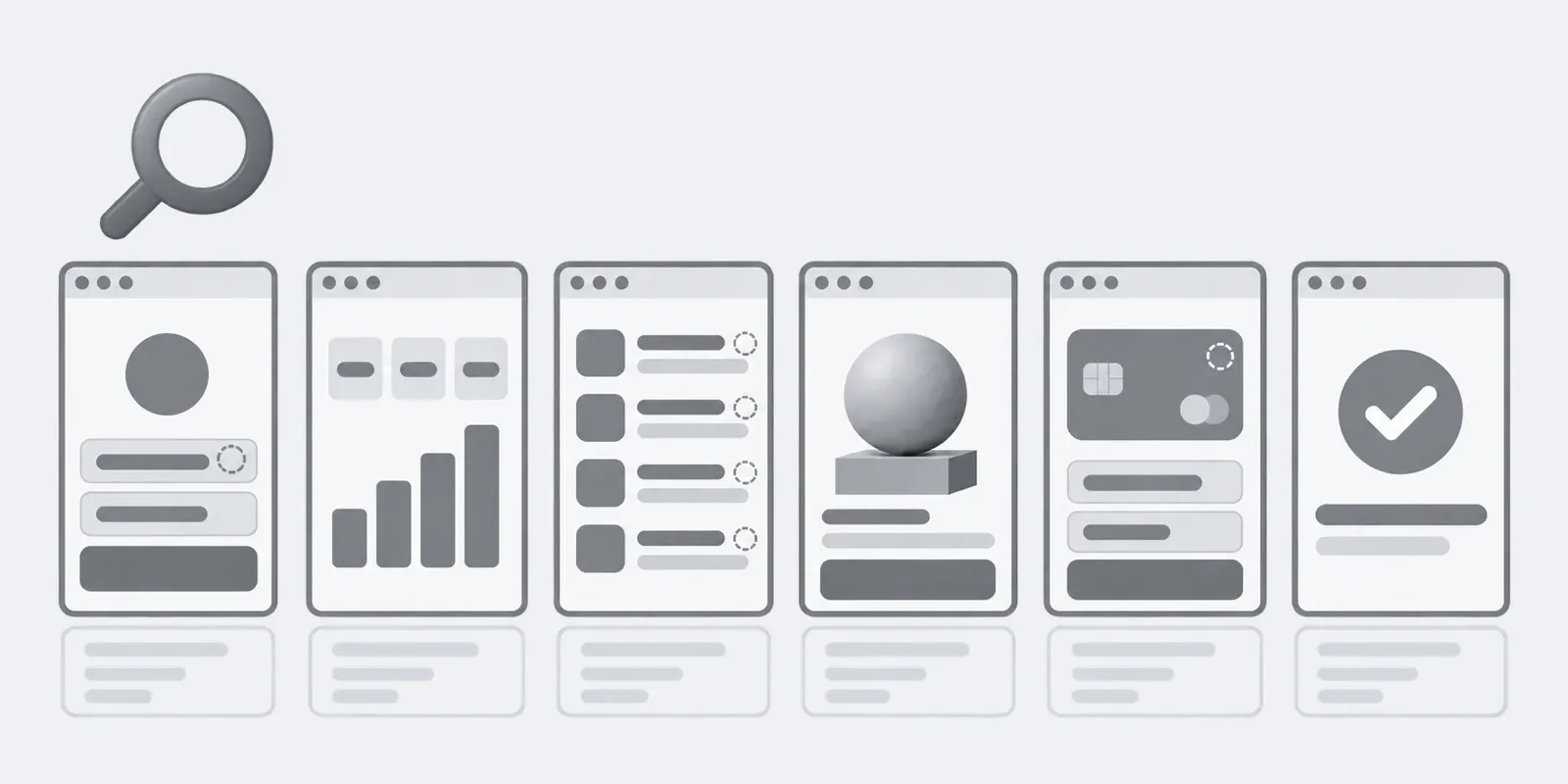
02Quick look
Within 1–2 working days we look at the live site for free: exposed keys, data access, sign-in.
In hand
What's visible from outside, and whether there's something to save
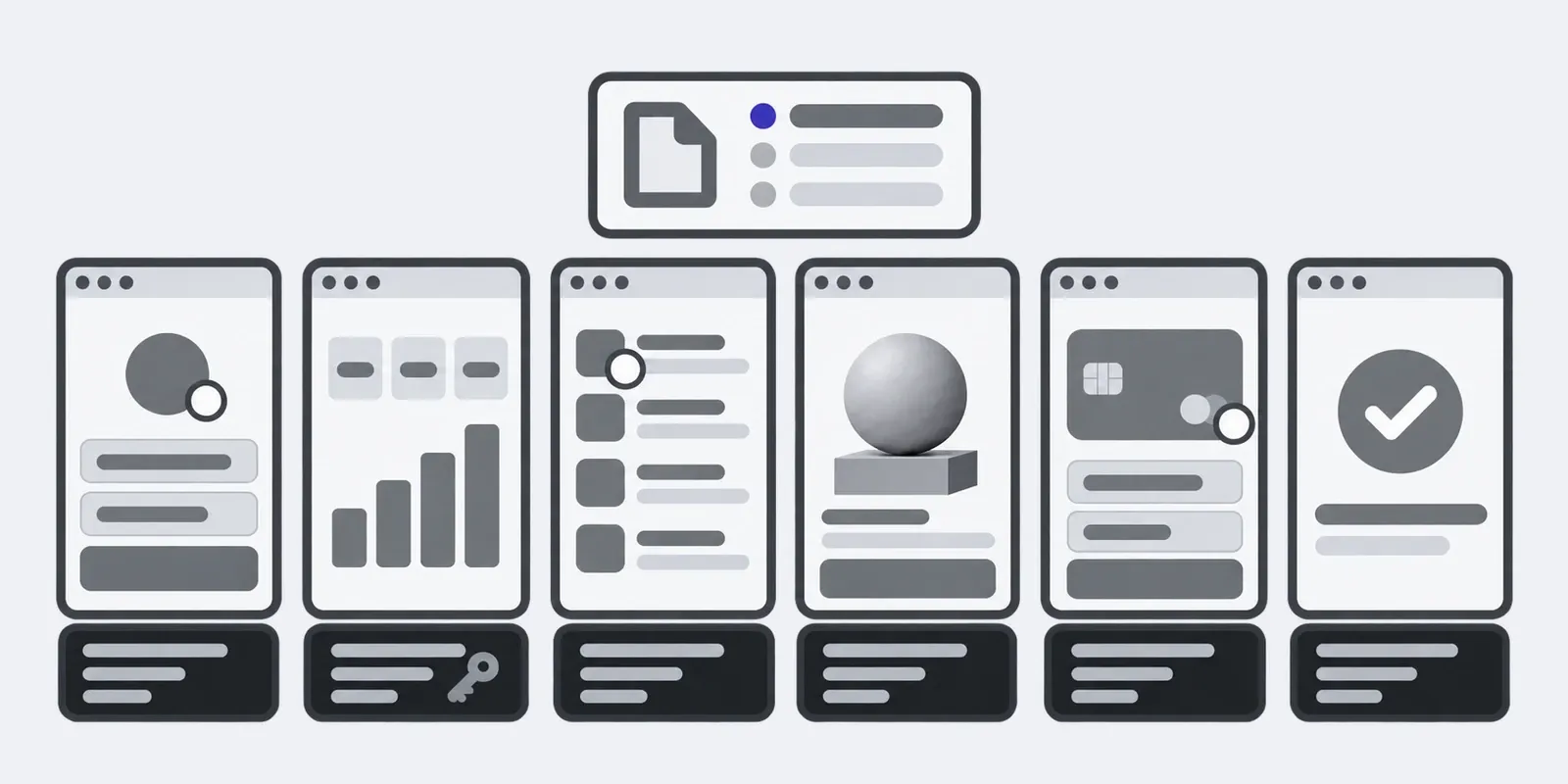
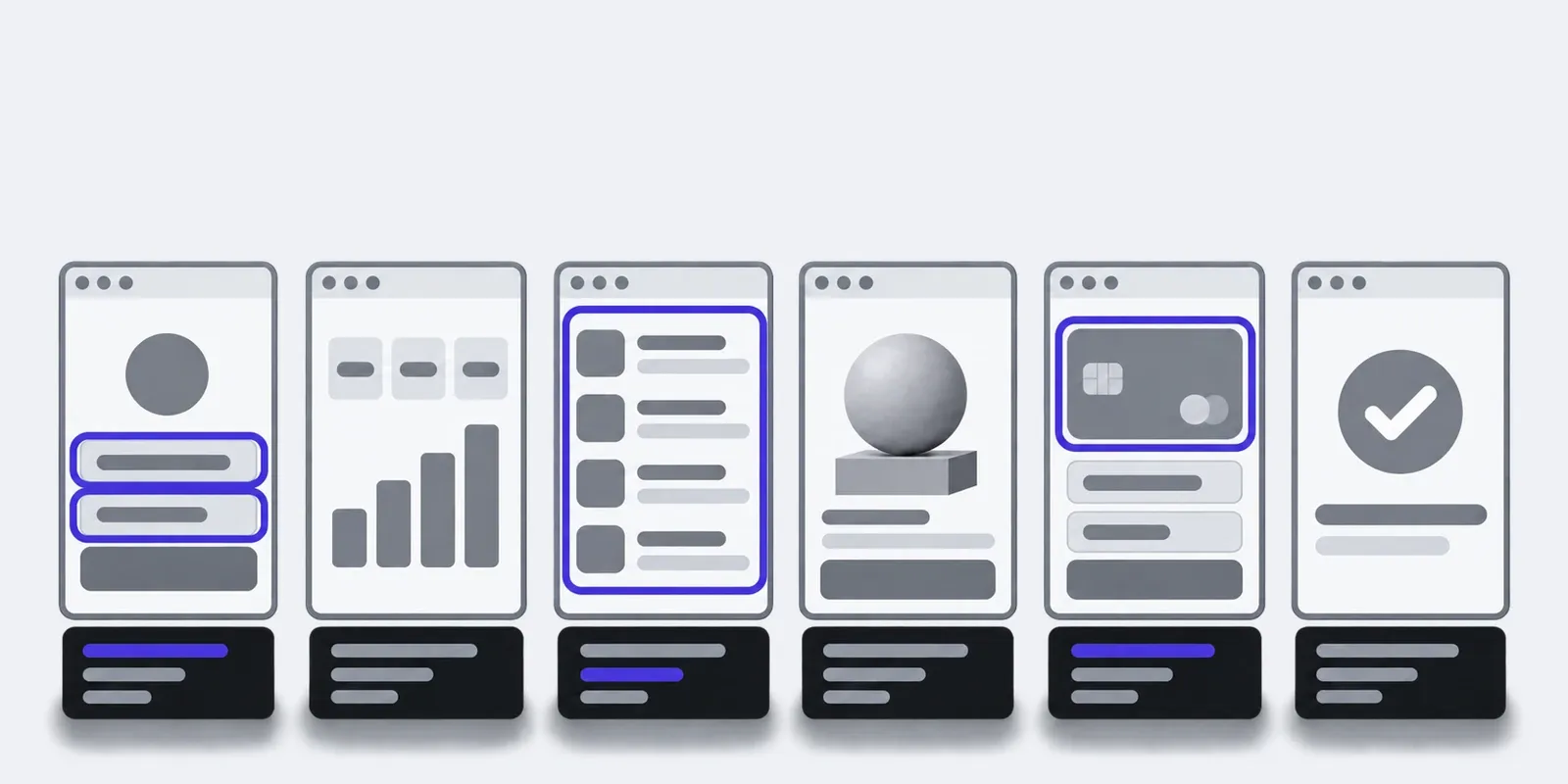
03Detailed review
Within 3–5 working days we go through the code via GitHub, the database and the settings.
04Fix
We fix it in the code, starting with data and money. The changes flow back into Lovable via GitHub.
In hand
A working project where every change can be rolled back
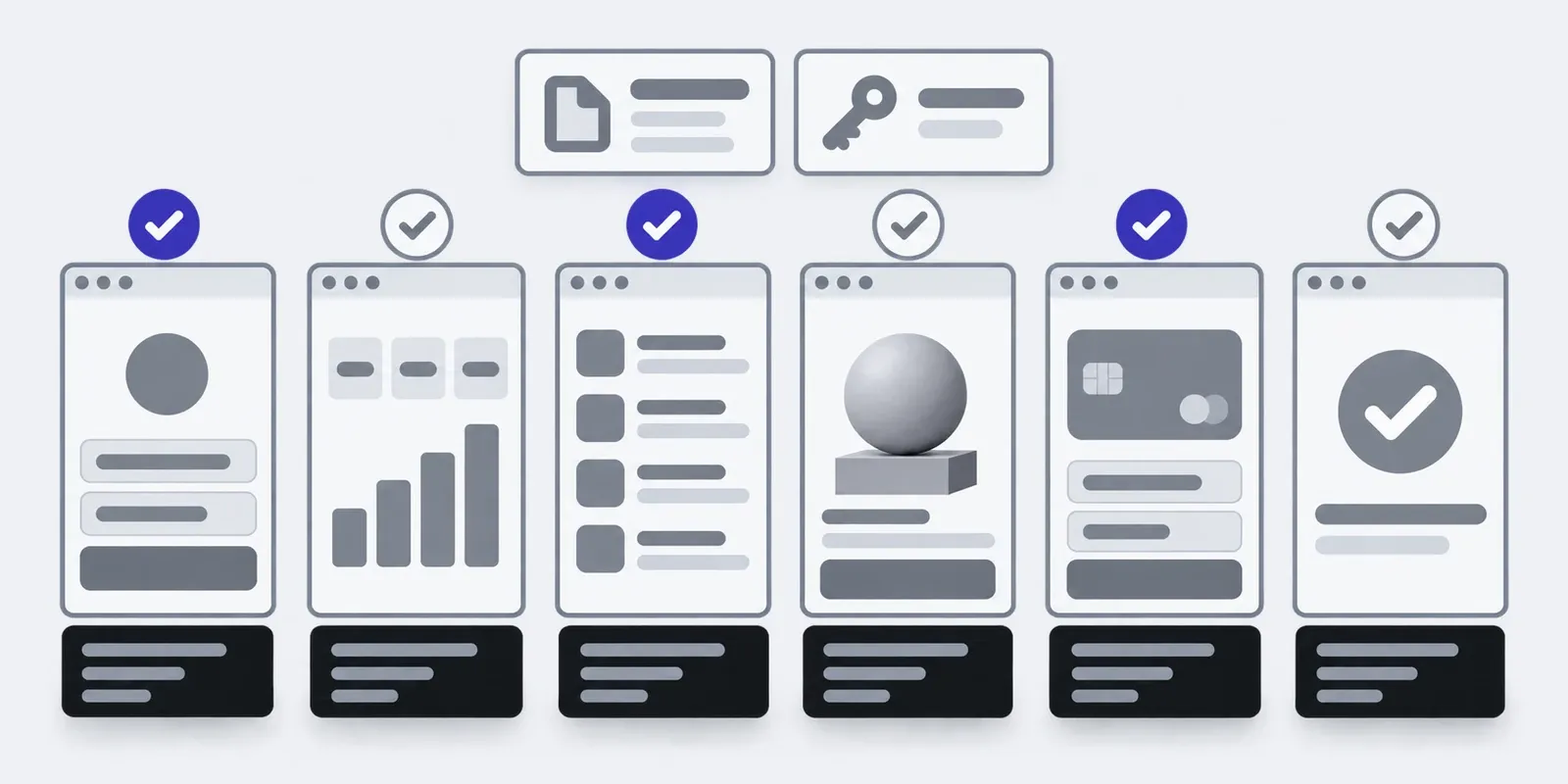
05Handover
We explain what we changed and how to keep working in Lovable without breaking the fixes.
In hand
The report, and access in your name
What the price and timeline depend on
The quick look is free. The detailed review costs $25 to $50, depending on the size of the project: it shows what matters most and gives you a plan with a price. We go deeper into the code during the fix. That is billed by the hour, and after the review we tell you how many hours we expect.
- 01What kind of project
- A site of a few pages is quicker to check than an app with accounts, payments and a database.
- 02Where the database lives
- If you have your own Supabase, we fix it directly. With Lovable Cloud some of the work goes through the platform, or the database is moved first.
- 03How much it's been patched
- After many rounds of prompts the code often repeats itself, and untangling it takes longer.
- 04Urgency
- If customer data is exposed or payments fail, we close that first and do the rest in turn.
You can keep working in Lovable yourself
The code stays in the same repository, and Lovable sees our changes. You keep making texts, pages and new screens with prompts. The places where a mistake costs money or customer data get tests, so if a prompt touches them, a test will show it.
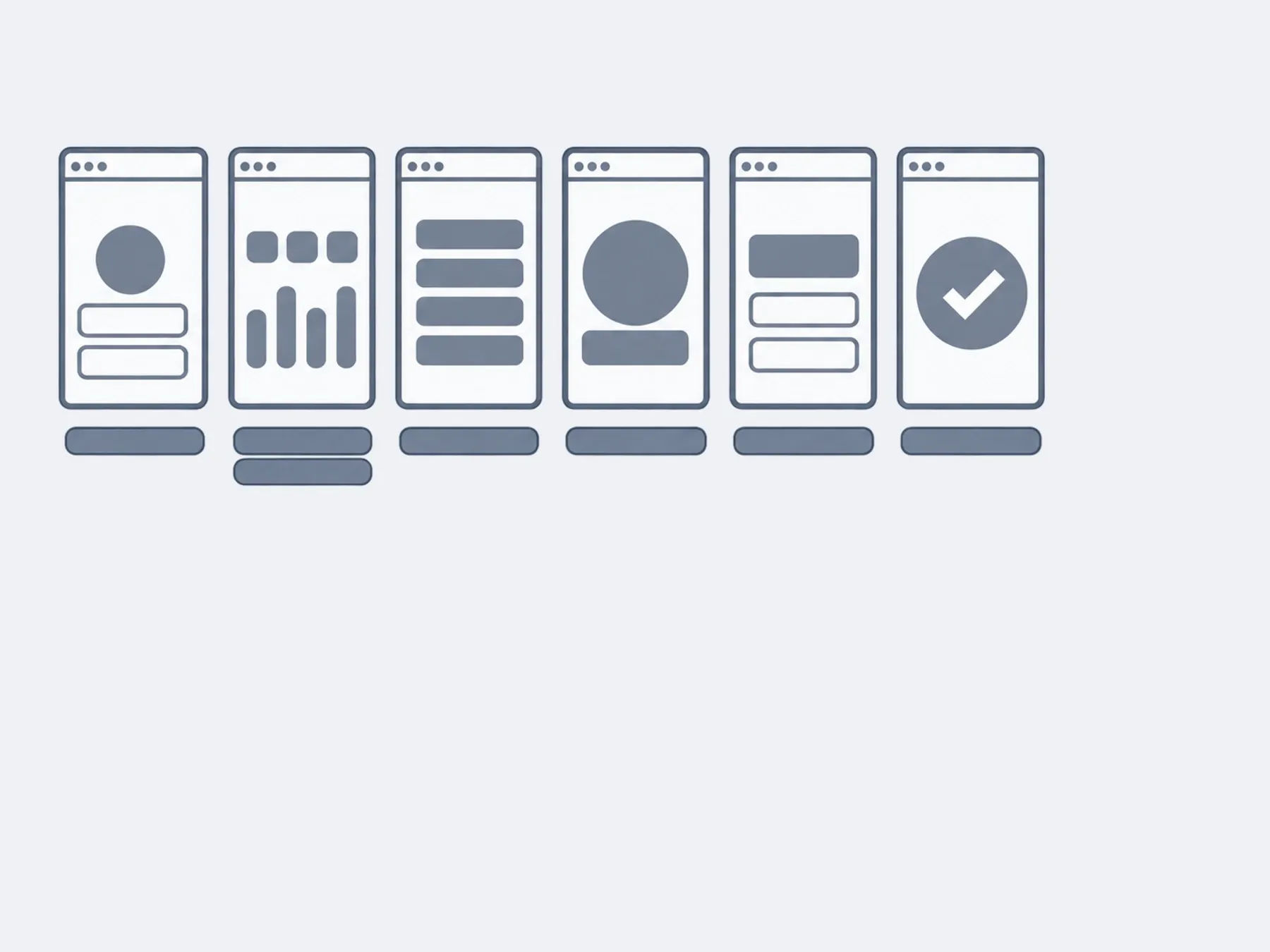
01The fix
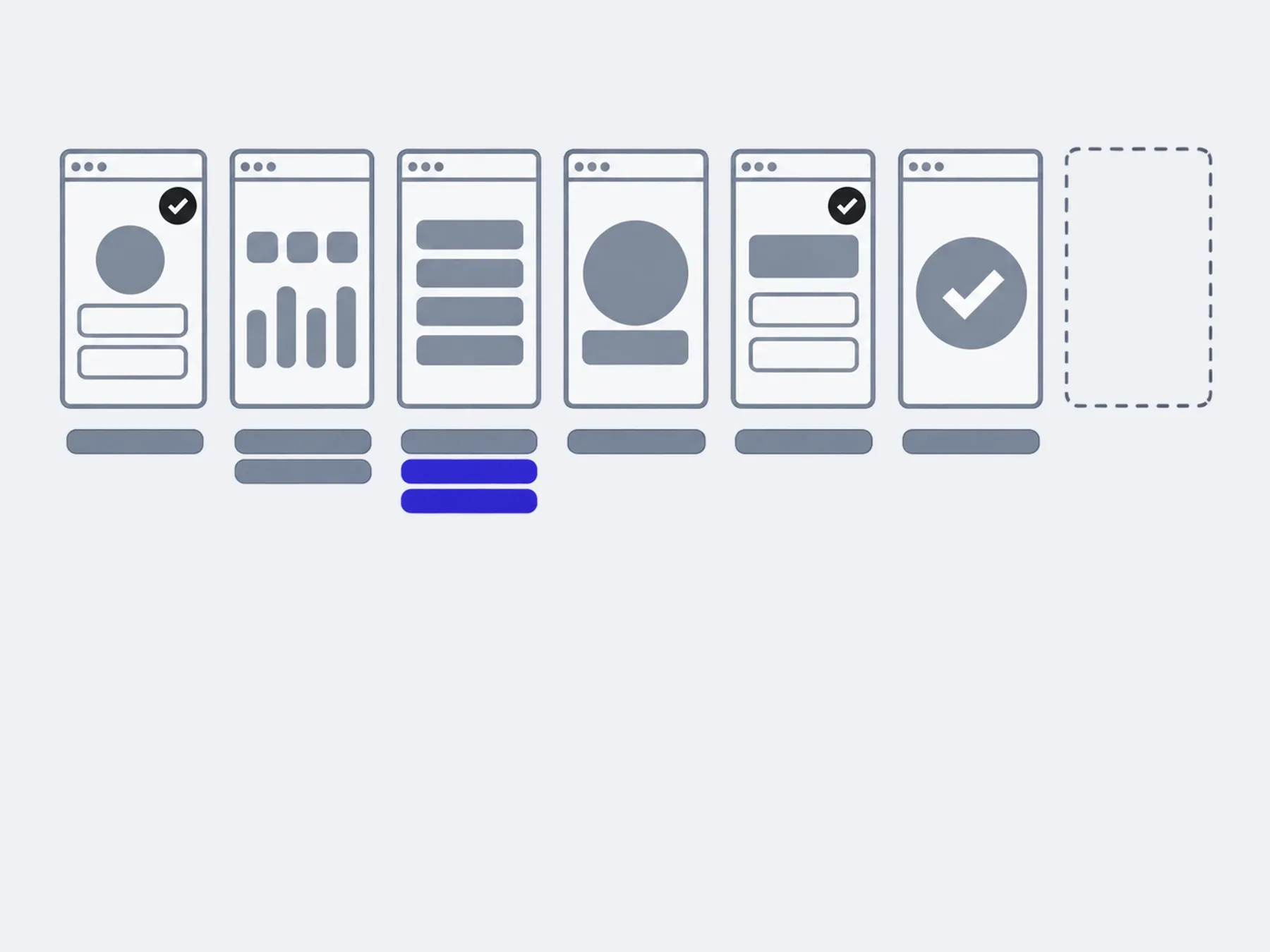
02In 3 months
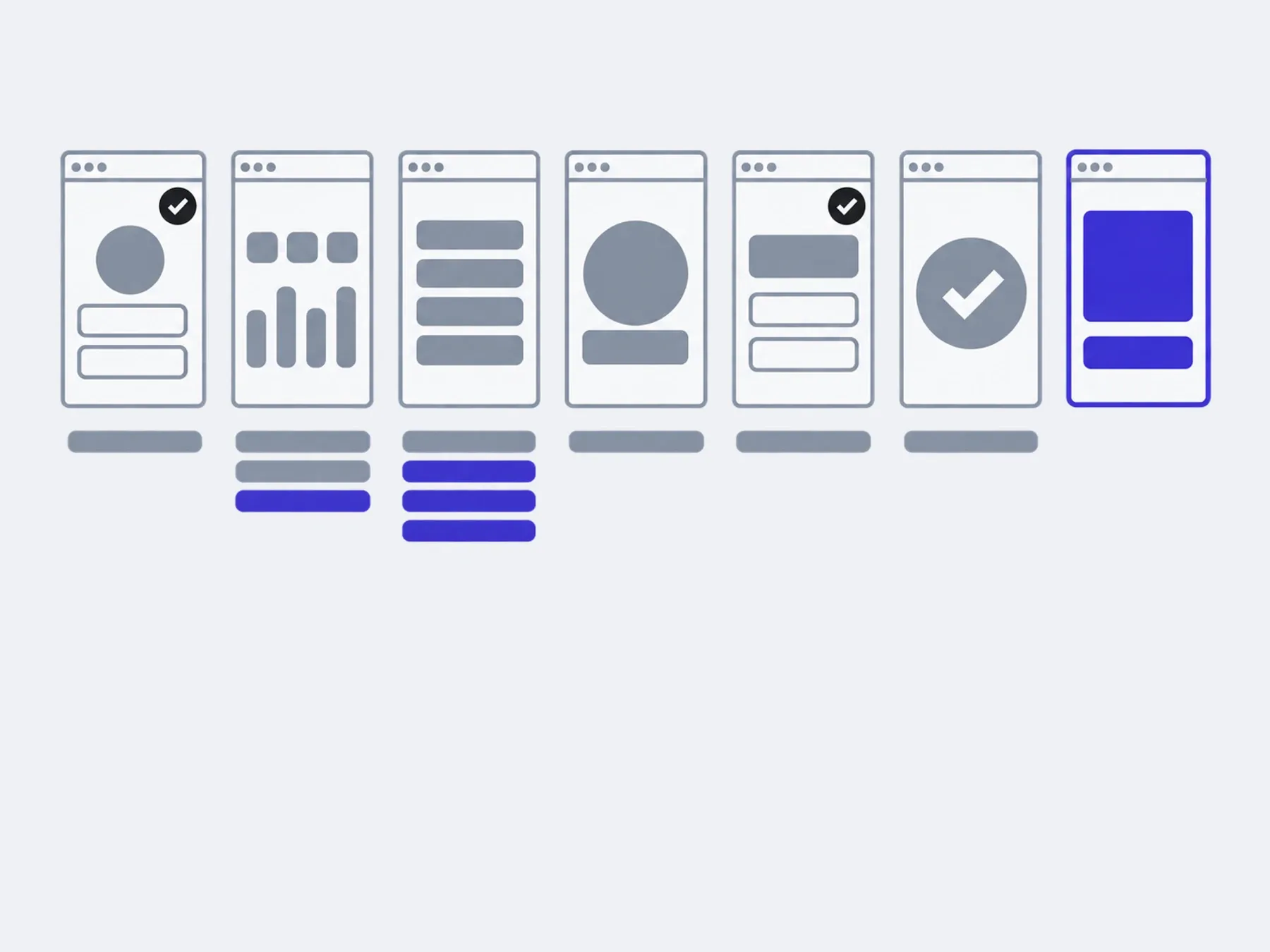
03In six months
changed by you in Lovablewith us: tests
The timings are illustrative: an example, not a plan.
You, in the admin
- Texts and pages
- New screens
- Small features
- Design
About AI-built projects
Finish, move or rebuild?
Usually it's enough to finish the project: its foundation works. Sometimes it has to come off the platform onto your own hosting. When there are few users and the code is tangled, building it again can be cheaper. We work out which one is yours at the review.
Finish. The foundation holds, but something important is broken: sign-up, the cart, the account area. When people are already using it and it does what it was meant to.
Move. You need your own hosting, database and keys instead of the platform's. When you hit the platform's limits, credits or pricing.
Rebuild. The code is so tangled that every change costs more than a new part. When there are still few users and building again is cheaper.
How much does it cost?
The quick look is free. The detailed review costs $25 to $50, depending on the size of the project. The fix is billed by the hour, and after the review we tell you how many hours we expect.
Can I keep working in Lovable?
Yes. Lovable syncs the code with GitHub both ways: we change the code, and the changes show up in your project. One warning: a prompt can rewrite what we fixed. So the most important parts get tests, and you'll see straight away if something breaks.
Will you rewrite it all from scratch?
If the foundation holds, no. We go part by part: what to keep, what to fix, what to replace. If a rebuild might come out cheaper, we price both options at the review.
How do I take my project off Lovable?
The code can be taken via GitHub any time. If the database is on Lovable Cloud, it can't simply be switched to your own: you need a separate Supabase project, with the data, files and sign-in moved into it. That's separate work, priced after the review.
Which tools do you work with?
Lovable, Bolt, Cursor, Replit, v0, Claude Code, and code that ChatGPT or Claude wrote for you in a chat. What it was written with doesn't matter to us: we look at the code itself. If your tool isn't listed, write anyway.
Don't you write code with AI too?
Yes, like most developers now. The difference is who checks the result. With us, every change, from the AI or from a person, is read by a developer: does each user see only their own data, what happens to an order if the payment provider doesn't answer. Only then does it reach the live site.
Is it safe to give you access to the code?
The quick look needs no access. For the detailed review, read-only access to the repository is enough, and you can revoke it once we're done.
What do we get after the review?
A plain-language report: what we found, how urgent it is, what to do first and what it costs. The report stays with you, even if you carry on with someone else.
Other work on an existing project
Once the project works, the next step is usually new features or a move to your own infrastructure. Here are the six support services; each can be taken on its own.
- Website reworkEdits, blocks, forms, the mobile version. We take them as a list.

- Fixing bugsWe find the cause first and fix second. Not the other way round.
- New featuresAdded to the code that is already there, without rewriting it all.
- Integrations and APIsPayment, delivery, CRM, stock. So the data moves on its own.
- Moving to a new stackMoved in pieces, with a working site at every step.
- Making it fasterWe measure first, then fix what actually slows it down.
Send a link to the project and tell us what it was built with and what isn't working. Within 1–2 working days we'll reply with what we found.
- 01A link
to the site, the mock-up or the repository, whatever exists
- 02What to change
one sentence on what should become different
- 03Who it's for
who will use it: your customers, your team, and how many